// transparency
Read the whole stack
The bot runner, Slack event listener, session lifecycle, tool dispatch, and memory layer are all in the repo. Nothing is obfuscated or behind a compiled binary.
Every line of EffectiveBots - the bot runner, the Slack communication layer, the session manager - is on GitHub under the MIT license. Read it, fork it, ship improvements.
When an automated system can write and run code on your infrastructure, you should be able to read every line of logic that controls it. No black boxes, no surprise behaviors.
// transparency
The bot runner, Slack event listener, session lifecycle, tool dispatch, and memory layer are all in the repo. Nothing is obfuscated or behind a compiled binary.
// ownership
MIT license means no restrictions on how you use or modify the code. Patch it for your infra, add a custom tool, or cut a private release for your company.
// longevity
If we stopped maintaining it tomorrow, you would still have a working copy with full access to the source. Your bots keep running on your terms.
One monorepo on GitHub. No private packages, no closed companion services required to run the core.
# effectivebots/
├─ packages/
│ ├─ runner/
│ ├─ slack/
│ ├─ memory/
│ └─ tools/
├─ apps/
│ └─ cli/
├─ docs/
├─ examples/
├─ LICENSE # MIT
└─ README.md
# clone and start
$ git clone https://github.com/
effectivebots/effectivebots
$ cd effectivebots
$ effectivebots up
Good contributions fix real problems, keep the codebase readable, and do not break existing users. That is the whole bar.
Read the full guide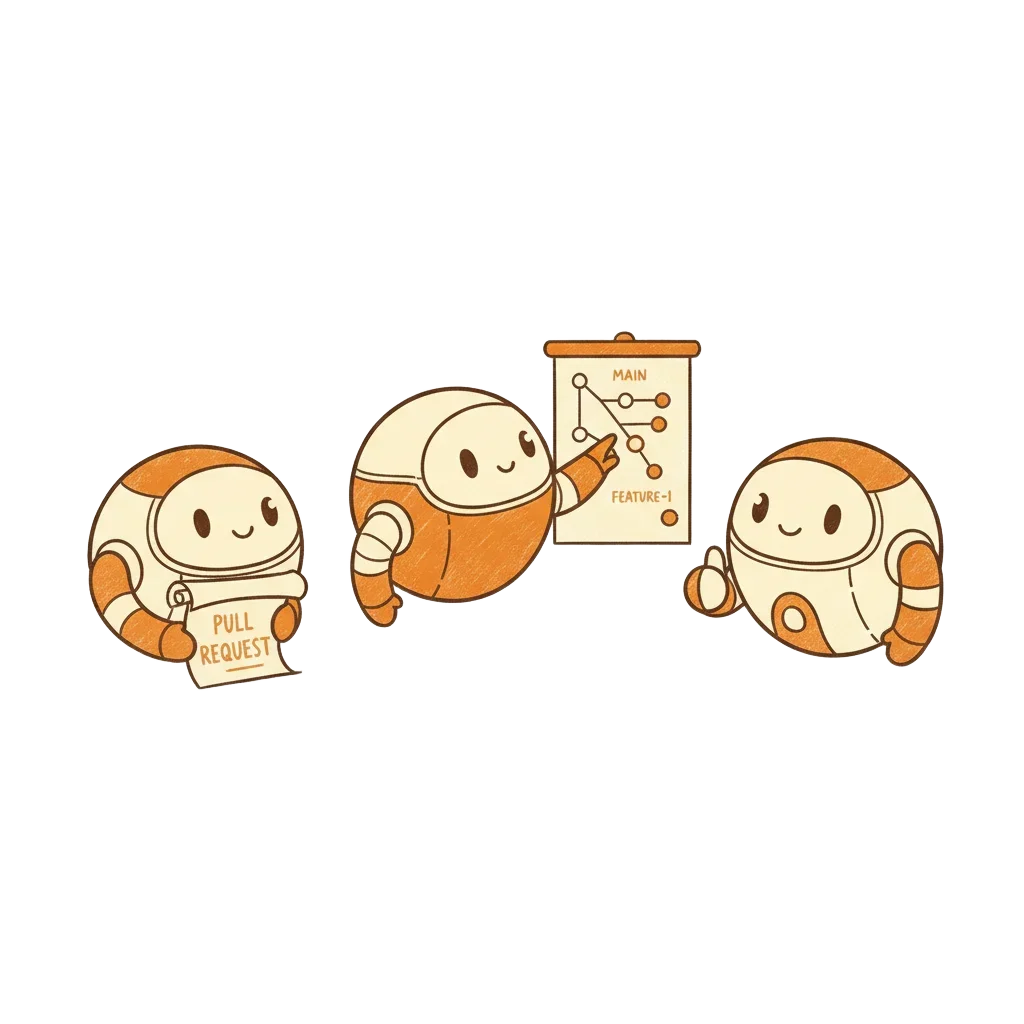
For anything beyond a small bug fix, describe what you want to change and why before writing code. Saves everyone time if the direction needs a tweak.
Work on a named branch, keep commits focused, and write a short summary in the PR description. Tests for new behavior are expected, not optional.
A maintainer reviews within a few days. Feedback is direct and specific. Once approved, the PR is squash-merged and the contributor is credited in the changelog.
Because bots can execute code, the security posture matters as much as the features. Here is exactly what happens and what does not.
Bots run in workspaces you define on your own machine. No code or file content is sent anywhere except to Claude Code via the API you configure.
Each bot's tools list, allowed directories, and shell permissions are set in its config file. You grant only what the role needs.
Git writes go to branches. Pushes to protected refs require you to explicitly enable them per bot. The default keeps main safe without extra configuration.
Email [email protected] with details. We acknowledge within 48 hours and aim for a patch within 14 days. Do not open a public issue for security findings.
Short version: do what you want with it. Keep the copyright notice and license text in your copy. That is all that is required.
Use commercially. Run it inside a business, charge clients for a setup that includes it, sell a service built on top - all allowed.
Modify privately. Fork it, patch it, keep your fork private. You are not required to open-source your changes.
Distribute freely. Bundle it in your own product. Include the license file and you are covered.
MIT License
Copyright (c) 2024 EffectiveBots
Permission is hereby granted, free of charge, to any person obtaining a copy of this software and associated documentation files (the "Software"), to deal in the Software without restriction, including without limitation the rights to use, copy, modify, merge, publish, distribute, sublicense, and/or sell copies of the Software...
THE SOFTWARE IS PROVIDED "AS IS", WITHOUT WARRANTY OF ANY KIND, EXPRESS OR IMPLIED...
# Full text on GitHub
Yes. The MIT license is irrevocable. Past releases stay MIT even if we made a future change, which we have no plans to do.
Nothing in the runtime is closed. The Team and Custom plans add a hosted dashboard for audit logs and a shared role library - both optional conveniences.
Absolutely. The docs/ directory is in the same repo. Typo fixes, clarifications, and new how-to guides are all welcome as pull requests.
Drop a file in packages/tools following the schema in the docs. The runner picks it up on next start. No fork required for local additions.
Yes. Contributor Covenant v2.1 applies to all project spaces. The full text is in CODE_OF_CONDUCT.md in the repo root.
Open a GitHub Discussion for how-to questions, or file an issue if you have found a reproducible bug.
The whole project is on GitHub. Clone it, run it, and open a PR when you find something to improve.